

We often describe young people as the leaders of tomorrow, but tomorrow has a funny habit of arriving before people are prepared for it.
Nigeria is home to an enormous youth population, filled with creativity, energy, ambition and talent. Yet millions of young people still face limited opportunities, unemployment, underemployment and skills gaps.And Nigeria is not alone.
According to the International Labour Organization, 67 million young people aged 15–24 were unemployed globally in 2025, while more than 257 million were not in employment, education or training (NEET).That raises a bigger question than simply, “How do we empower young people? ”Are we preparing them to lead, or simply preparing them to survive?
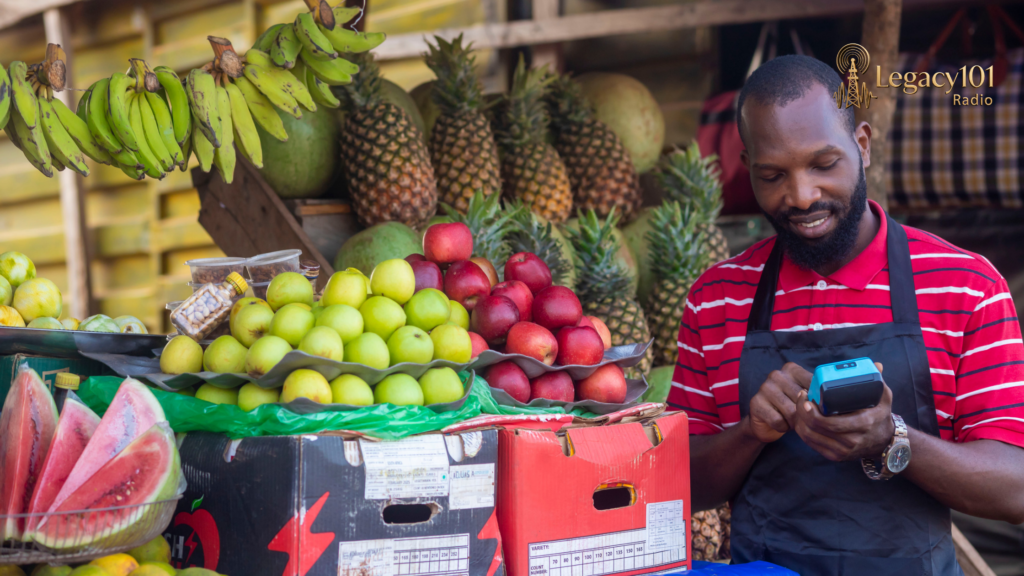
Today, we have no shortage of talented young people. From technology and entertainment to sports, business and social activism, young Nigerians continue to prove that potential is everywhere, but potential without opportunity can become frustration.
Talent without skills can become wasted capacity, and a generation without a platform to contribute may eventually stop believing in the future it is expected to lead. So, a youthful population can be a demographic advantage, or a demographic emergency, what makes the difference is preparation.
Education remains essential, but the world of work is changing faster than many classrooms. The World Bank notes that the jobs of the future will require a combination of foundational skills, problem-solving, socio-emotional skills, technical expertise and digital skills.
In today’s world, knowing something is important, but knowing how to learn, adapt, communicate, collaborate and solve problems is becoming just as important. A certificate should open a door, but young people also need the ability to walk through it and perform.
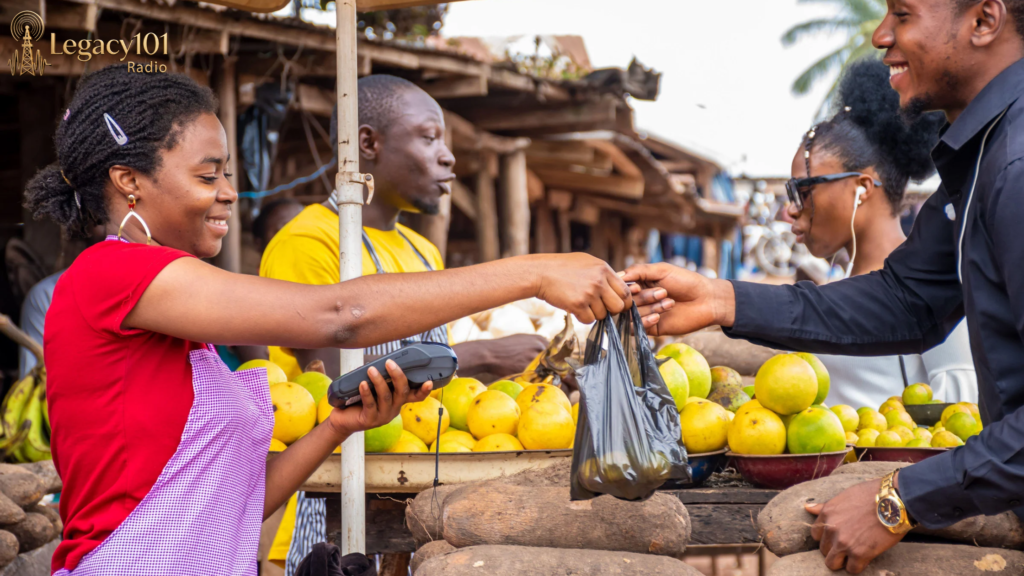
The question therefore should not be: “Are young people going to school? ”It should also be: “Are they learning the skills that the world is demanding?”
Nigeria’s young people do not need more reminders that they are “the future.” They need opportunities to participate in the present. They need education that prepares them, skills that empower them, platforms that include them, mentors who challenge them, and leaders who trust them with real responsibilities.
Potential is beautiful, but potential alone does not build nations, impact does. The question for Nigeria is no longer whether young people have the energy and talent to lead tomorrow, they clearly do. The real question is: Will we prepare them, trust them and give them room to lead before tomorrow becomes today? Young people are not just leaders of tomorrow, they are partners in building today.
Leave a Reply