

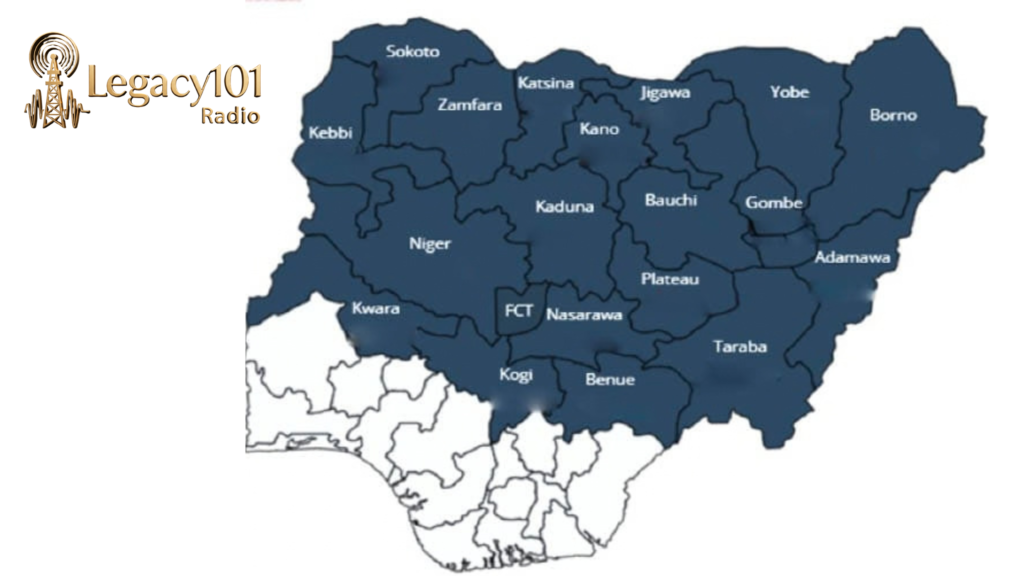
₦1.77 trillion, that’s what Lagos generated in Internally Generated Revenue (IGR) in 2025. Now add up the 2025 IGR, according to the National Bureau of statistics (NBS) of all 19 Northern states is about ₦925.75 billion.
Lagos out-earned all 19 combined by roughly ₦843 billion, nearly twice their total (1.9x), but this isn’t a Lagos-versus-North story. It’s a story about where taxable economic activity happens.
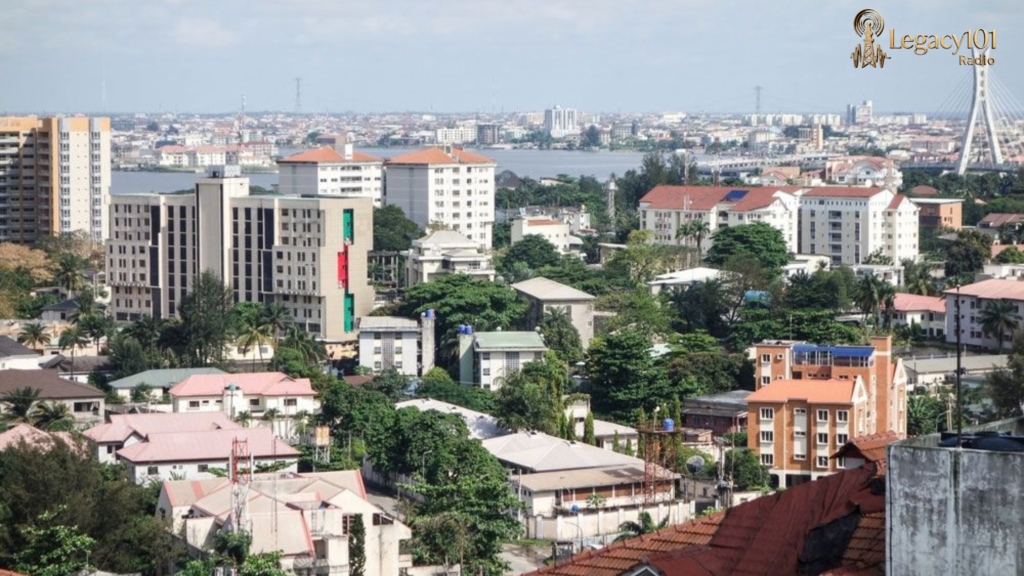
NBS data shows Nigeria’s 36 states and the FCT generated about ₦5.15 trillion in IGR in 2025, up from ₦3.65 trillion in 2024. Lagos alone was about one-third of it. The real clue is where Lagos’ money came from, which is ₦993.3 billion from PAYE, the tax on employees’ salaries.
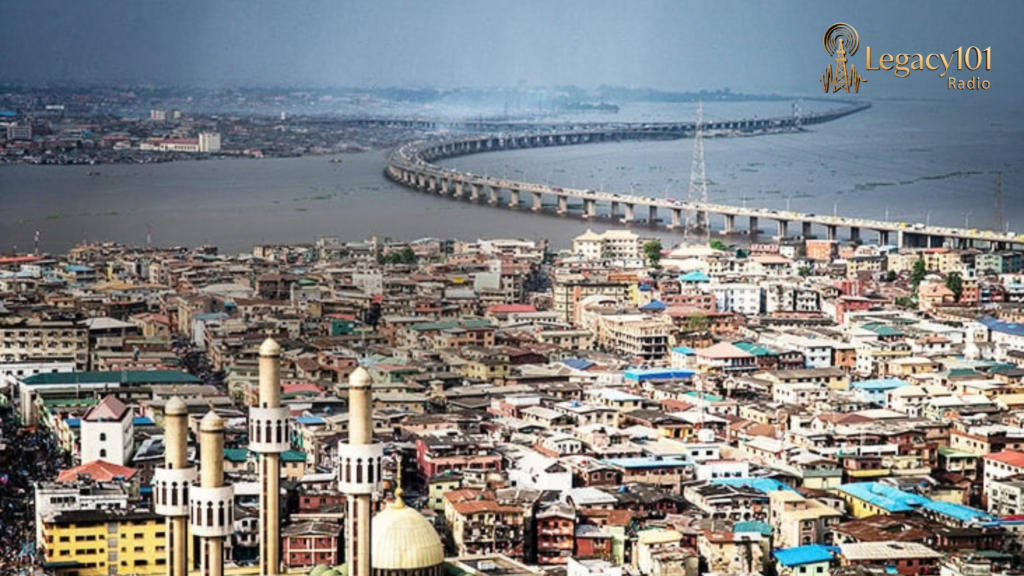
Nationally, PAYE brought in ₦2.64 trillion, so Lagos supplied over a third of it. Lagos isn’t collecting because it has people. It’s collecting because it has productive people in formal jobs, registered companies, banks, ports and head offices. Population isn’t revenue, productive population is.
Businesses attract workers, workers attract consumers, consumers attract more businesses. More activity means more taxable transactions, more revenue and better infrastructure, which pulls in even more activity. That loop is Lagos’ fiscal engine.
Lagos out-collecting 19 states does not mean Lagos has a bigger economy than the North. IGR measures what governments collect, not what an economy produces. A farmer can grow millions of naira worth of maize and never touch the tax system. So the accurate reading is this, Lagos is far better at converting economic activity into government revenue.
The North’s Problem Isn’t “Poverty”, Northern states have farmland, livestock, minerals, big markets and millions of hardworking people. But potential isn’t the same as taxable capacity. Something has to connect the dots, which can be security, infrastructure, electricity, education, digital records, business registration and efficient tax systems.
Picture a maize chain: farmer, middleman, transporter, wholesaler, retailer, household. Value is created at every step, but if it’s mostly informal, the state sees very little of it. Nigeria hasn’t done enough to turn productive activity into productive systems, and the gap is costly.
BudgIT found that 31 states relied on federal transfers for at least 80% of recurrent revenue in its 2024 assessment. If Abuja earns less, they get less.
Big revenue means big expectations, are roads, schools, hospitals and flood control improving? IGR measures fiscal capacity, not the quality of governance. The real test isn’t how much government collects, but how much human progress it produces.
The lazy fix is taxing the visible economy more heavily. The smarter one is widening the base; easier business registration, digital records, less harassment, simpler taxes and more jobs. The government may Tax more people because more people are earning, not taxing the same people more heavily.
Nigeria doesn’t have one economy. It has many, and they don’t generate revenue the same way. The goal isn’t 36 mini-Lagos. It’s 36 productive economic identities are agriculture, livestock, mining, tourism, tech, logistics, manufacturing. So the most important number isn’t the ₦1.77 trillion. It’s the ₦843 billion gap.
This should spark economic questions, not regional arguments. How many formal jobs and registered businesses are missing? How much wealth sits outside the tax system because we haven’t built systems that can see it?Nigeria’s next revenue revolution shouldn’t be about tax. It should be about productivity.
Leave a Reply