
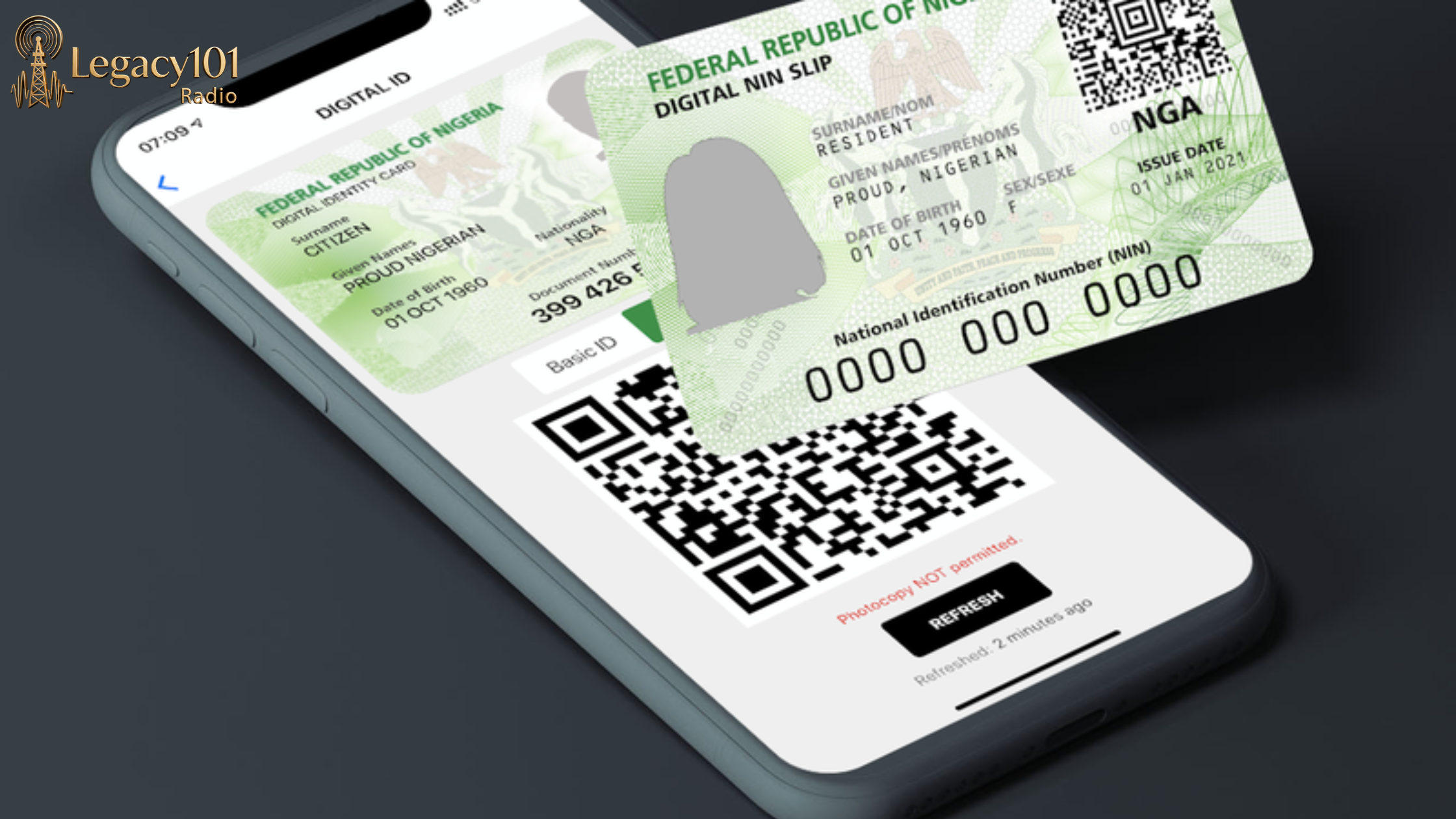
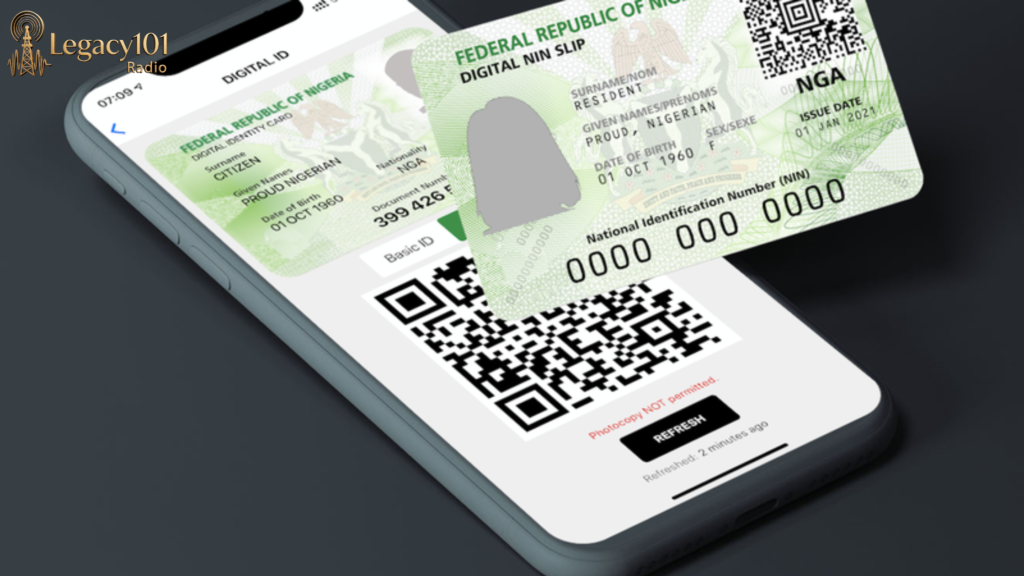
In today’s Nigeria, your National Identity Number (NIN) is no longer just an identity card it’s the key to participating in everyday life.”
Want to register a SIM card? You need a NIN. Open a bank account? You need a NIN. Apply for an international passport? You need a NIN. Access certain government programmes? Again, you need a NIN.
Nigeria’s National Identity Number has evolved from a simple identification tool into the backbone of the country’s digital economy. The government’s argument is straightforward; if every citizen can be uniquely identified, it becomes easier to fight terrorism, kidnapping, financial fraud, identity theft, and other forms of crime.
On paper, it sounds like a smart solution, but many Nigerians are asking a different question; Has the NIN made Nigeria more secure, or simply made Nigerians easier to monitor?
Nigeria has made remarkable progress in expanding its national identity database. As of early 2026, the National Identity Management Commission (NIMC) reported that more than 127 million Nigerians had been enrolled into the NIN database; a dramatic increase from just a few years earlier.
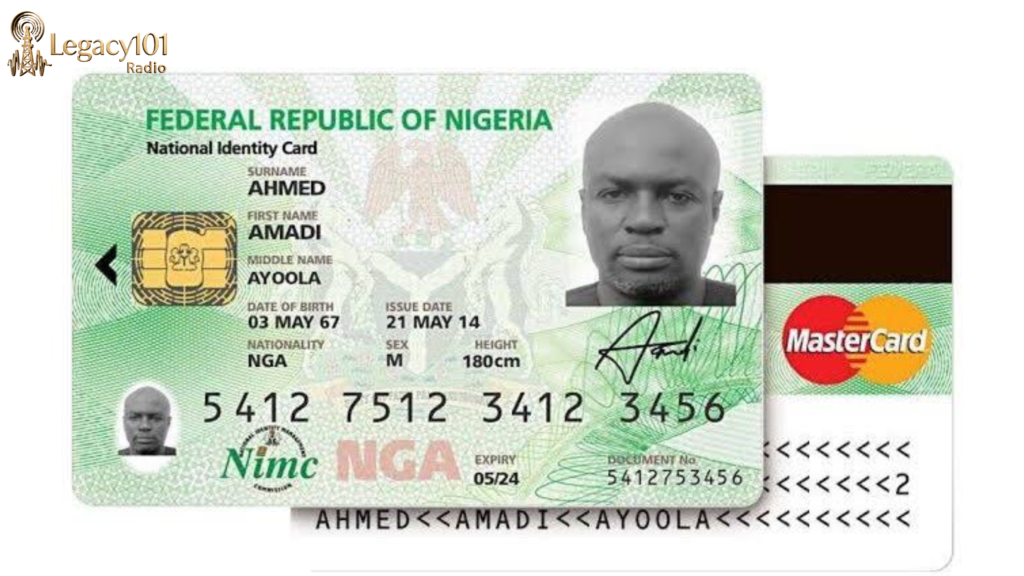
Countries around the world are investing heavily in digital identity systems because they improve governance and support economic development. Nigeria should not be an exception.
But Is It Working?
Despite the rapid expansion of the NIN database, Nigerians continue to grapple with rising cases of kidnapping, cybercrime, banditry, terrorism, and financial fraud.
This raises an uncomfortable question; If identity centralization is a game changer for security, why does insecurity remain one of Nigeria’s biggest national challenges?
The reality is that technology alone cannot solve security problems. The NIN database contains some of the most sensitive information Nigerians possess, including fingerprints, facial biometrics, demographic records, and other personal identifiers.
Although the Nigeria Data Protection Act 2023 established the Nigeria Data Protection Commission (NDPC) to regulate how personal data is collected, stored, and processed, concerns about cybersecurity and unauthorized access remain.
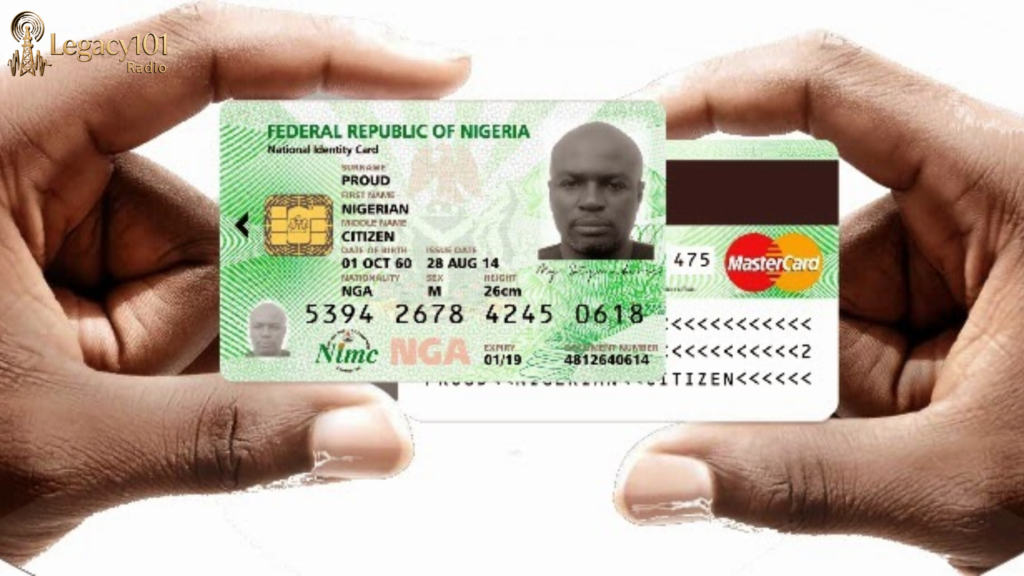
In 2024, allegations that personal identity data linked to NIN and other records was being offered on unauthorized platforms sparked public concern. While regulators did not find NIMC liable after investigations, the incident highlighted the importance of strong cybersecurity, transparency, and public trust.
Every government has a responsibility to protect its citizens, every citizen also has a constitutional right to privacy. The challenge is finding the balance, supporters argue that stronger identity verification makes it harder for criminals to hide.
Critics warn that without robust oversight, transparency, and independent accountability, centralized identity systems can enable excessive state surveillance or misuse of personal data.
Neither concern should be dismissed, security and privacy are not opposing goals; they should reinforce one another. The real debate is not whether Nigeria should embrace digital identity, because yes, it should.
The bigger question is whether the country has built the institutions, legal safeguards, and technological resilience needed to ensure that security does not come at the expense of privacy and public trust.
A digital identity system is a powerful tool. Like every powerful tool, its value depends not only on what it can do, but on how responsibly it is used.
Leave a Reply