
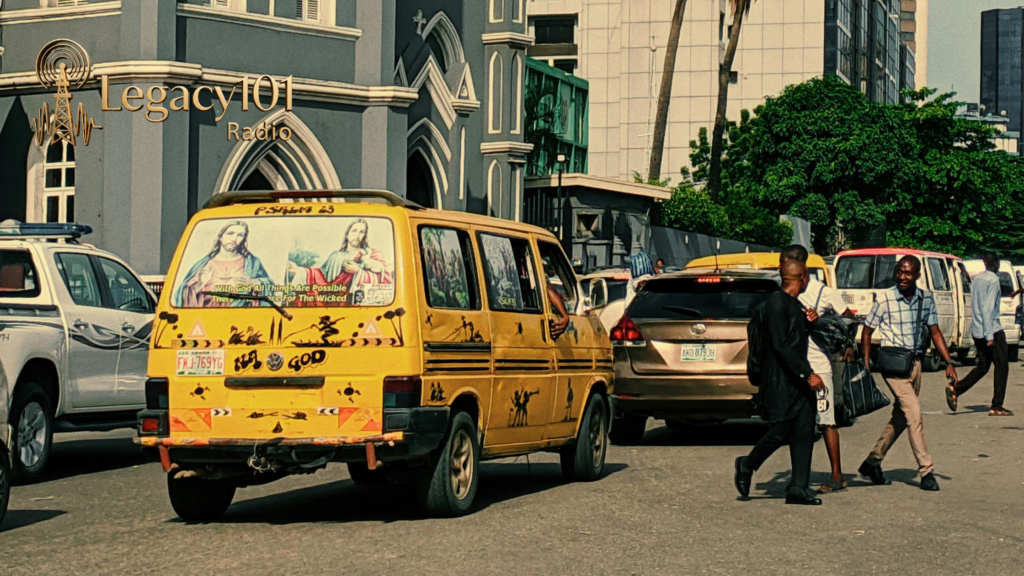
Nigeria spent over ₦8.6 trillion on petrol subsidies between 2019 and 2022, according to the World Bank. Yet the benefits were poorly targeted, with poorer households capturing only a small share of the subsidy.
The government now claims even more ₦15.8 trillion released to federal, state and local governments since.
Nigerians’ receipt for that windfall? Petrol that was ₦238/litre in 2023 has touched ₦1,400. Transport fares have doubled on some routes, inflation has spent long stretches above 30%, hitting 44% in some states.
The World Bank counts 104 million Nigerians in extreme poverty second-highest in the world.Stronger reserves, a red-hot stock market, salaries and pensions paid, a booming Dangote Refinery.
Opposition candidate Atiku Abubakar, now running on a subsidy-restoration promise, says the relief went to governors ahead of an election, not to the people who actually paid for it.
Subsidy doesn’t make fuel cheaper, it makes someone else; the government, meaning future taxpayers eat the difference.
Bring it back and you don’t erase expensive crude or a weak naira; you just shift the bill onto debt, currency pressure, and the smuggling and scarcity that plagued the old system. Even Nigeria’s military government in 1986 couldn’t stop cheap subsidised fuel from leaking across borders.
Let’s be honest about the timing, this debate didn’t resurface by accident. High cost of living is the one thing almost every Nigerian is angry about, so when Atiku promised to bring subsidy back, it instantly became his most popular campaign line.
The government hit back fast, pointing to stronger reserves, a booming stock market, and investor pledges from a summit in Paris, because defending subsidy removal now means defending the biggest achievement of Tinubu’s first term. It’s gotten so heated that former senator Dino Melaye even released a song about it.
Nigerians were promised short-term pain for long-term gain. Three years in, the “gain” still feels theoretical to most people, which is exactly the gap a simple, familiar promise like “bring back subsidy” is designed to fill.
The honest fix probably isn’t reviving an unsustainable system, and it isn’t silence about where ₦15.8 trillion went either. It’s accountability for the savings, real protection for the people still absorbing the shock, and enough patience for refining and transport investment to make this whole argument obsolete.
In 2027, Nigerians won’t just be voting on subsidy as a policy. They’ll really be answering a bigger question: do they still believe the slower, harder path, building refineries, fixing transport, targeting support to the poor will actually pay off? Or has the old subsidy system, for all its problems, become so familiar that it starts to feel like relief just because it’s the devil people know?
Leave a Reply