
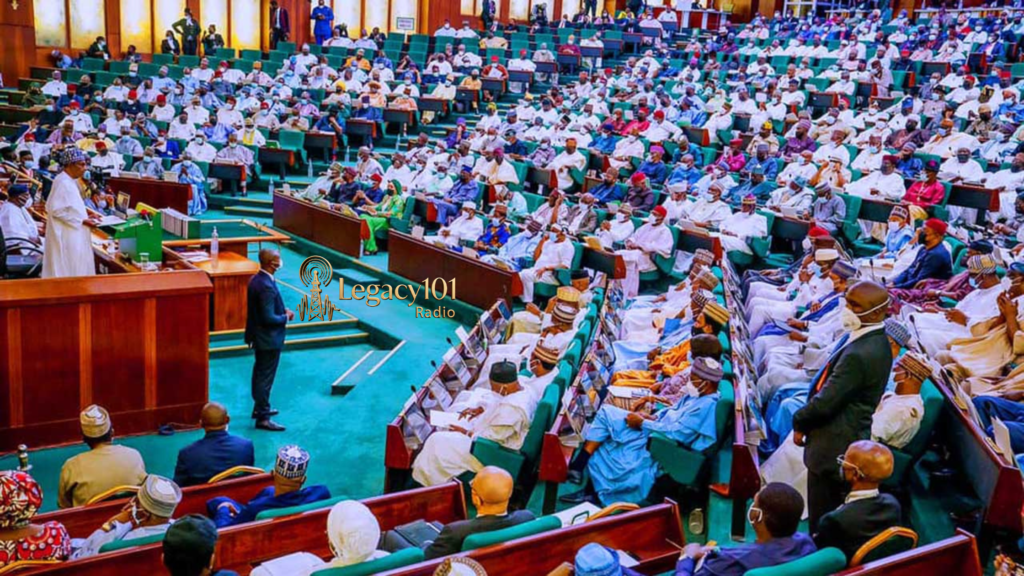
Should political office holders receive lifetime retirement benefits after serving just a few years, while millions of Nigerians struggle with the rising cost of living?
It is a question that goes beyond politics. It is about fairness, public money and the kind of democracy Nigerians want.Imagine two Nigerians,one spends 30 or 35 years working for the government.
Every month, a portion of their income goes toward retirement. They reach old age expecting the state to honour its obligation.The other spends four or eight years in elected office and leaves with severance benefits, privileges and, depending on the office and state involved, potentially a pension for life.
Now ask the uncomfortable question, is that fair?First, let’s clarify this, the Constitution specifically empowers State Houses of Assembly to make laws providing pensions or gratuities for former governors and deputy governors who were not removed through impeachment.
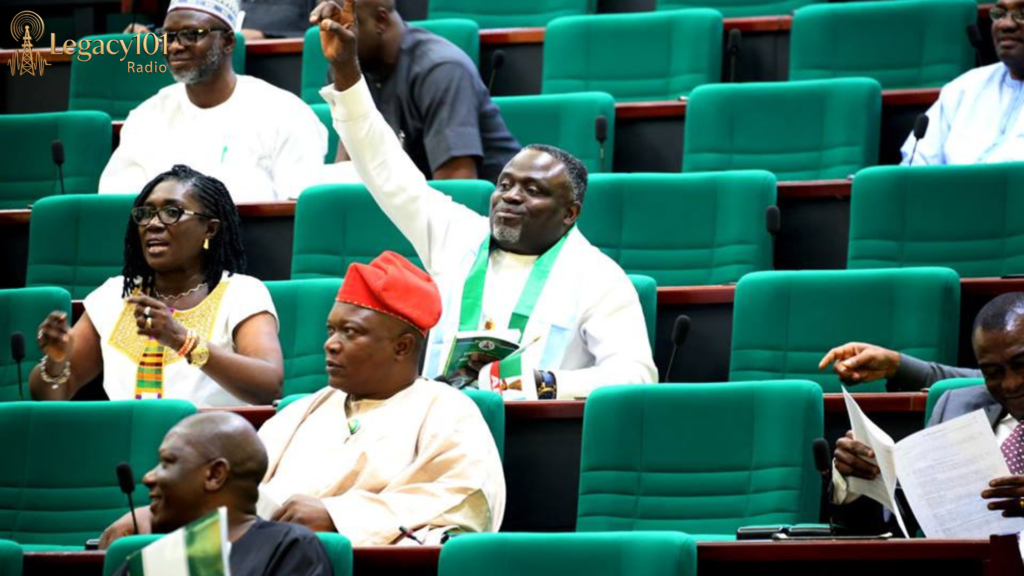
Section 124(5) also provides that such pensions become a charge on the state’s Consolidated Revenue Fund.That is different from the benefits available to members of the National Assembly.
According to the Revenue Mobilisation Allocation and Fiscal Commission (RMAFC), senators receive a prescribed salary and allowances, as well as certain end-of-tenure benefits. Its 2024 clarification listed a ₦6.079 million severance gratuity for senators, payable once per tenure, alongside a similar furniture allowance, not a statutory lifetime pension.
So, can Nigeria justify special retirement benefits for political office holders?Supporters argue that public office is legitimate work and deserves compensation beyond a politician’s tenure. Former political leaders may leave office relatively young and should not necessarily be left without financial security.
There is a legal basis for pensions for former governors and deputies, nevertheless, the legality is only the beginning of the conversation.The bigger concern is inequality. A career civil servant may spend 30 years serving the government and contribute toward retirement, while a politician may serve one or two terms and receive substantial post-office benefits.
The World Bank estimates that more than 60% of Nigerians were living below the national poverty line in 2025, with its projections putting the figure at about 63% in 2025 and 62% in 2026, approximately 141 million people.Meanwhile, Nigeria’s latest National Bureau of Statistics data puts headline inflation at about 15.91%, with food inflation at 17.52% under the rebased CPI.
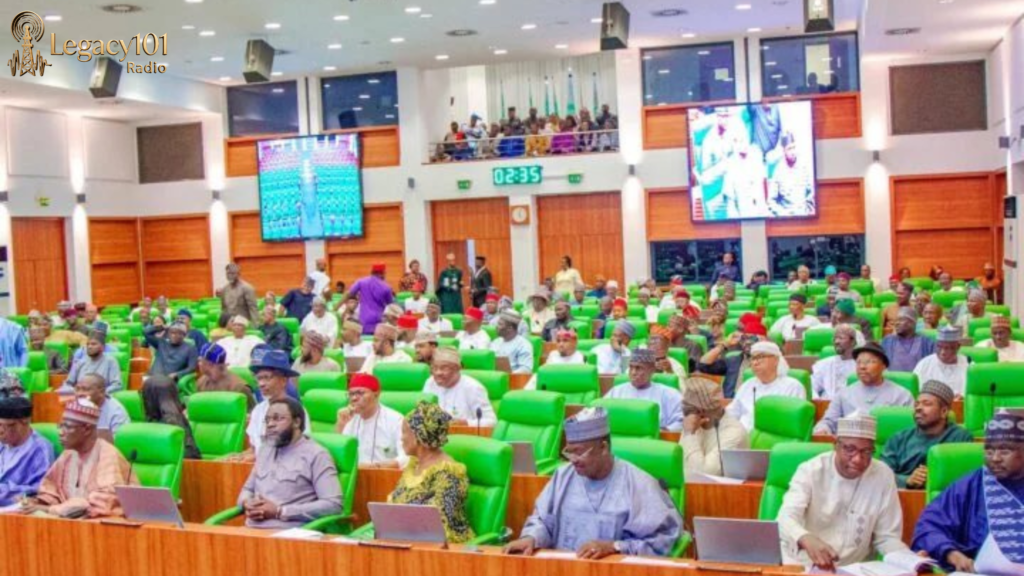
So yes, this is more than a pension debate and questions about political privileges becomes difficult to ignore. The issue isn’t simply how much these pensions cost the government. It is what they represent.
If ordinary Nigerians are repeatedly told that the government has limited resources for healthcare, education, infrastructure and social protection, should political office holders enjoy exceptional retirement privileges?
What About the Contributory Pension Scheme?Perhaps the fairest solution is not necessarily to abolish every benefit, but to rethink the system. Political office holders could be subject to a transparent, contributory and capped retirement framework, one based on years served, contributions and clearly defined benefits, rather than political status.
That would bring political retirement closer to the principle governing millions of Nigerian workers.Nigeria’s political pension debate is really a debate about the social contract.Public office should be about service, not a pathway to permanent privilege.So perhaps we should stop asking only; “Is it legal?” rather let’s ask; “Is it fair?”
If a retirement benefit is good enough for a politician, should it not be good enough for the teacher, nurse, civil servant, police officer and other Nigerians who spend decades serving the country?
Leave a Reply