
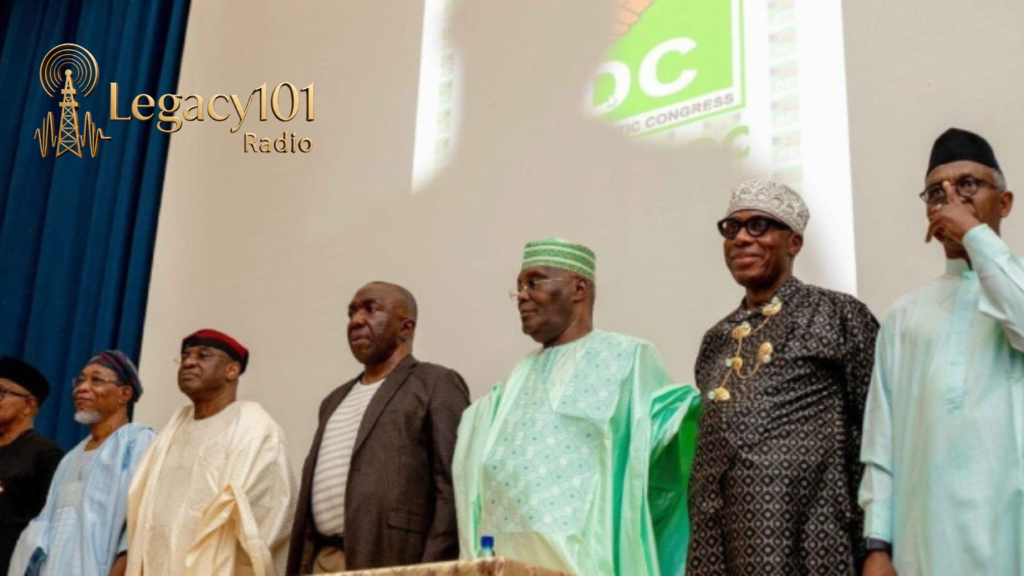
Nigeria’s opposition parties are talking unity ahead of 2027. Six parties ADC, APM, NDC, PDP, PRP and SDP, have opened discussions around a common platform, including the possibility of a single presidential candidate and a proposed four-year transition government.
On paper, it sounds powerful, but politics has a stubborn question of which we can’t ignore, can people with different ambitions stay together when power is on the table?
Nigeria had 93.47 million registered voters in 2023, yet the presidential election was highly fragmented, with no candidate winning anything close to a majority of registered voters. That creates the attraction of a coalition:
What if votes that were previously divided become coordinated?
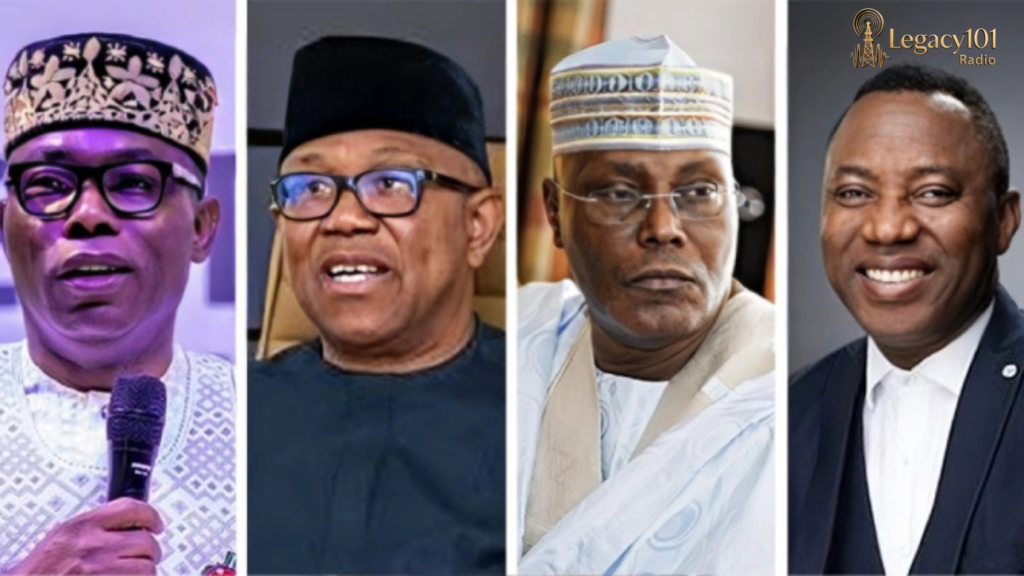
It is clear today that elections aren’t won by arithmetic alone. They require grassroots structures, voter mobilisation, credible candidates, funding, organisation and a message people believe in.
Nigeria has 176,846 polling units.
So the coalition needs more than an Abuja meetings. It needs people and structures on the ground.
Unity may seem easier before the ticket. The biggest test may be choosing one candidate. Different parties may agree that change is necessary, but can they agree on who should lead it? After the candidate is chosen, can everyone genuinely support that person?
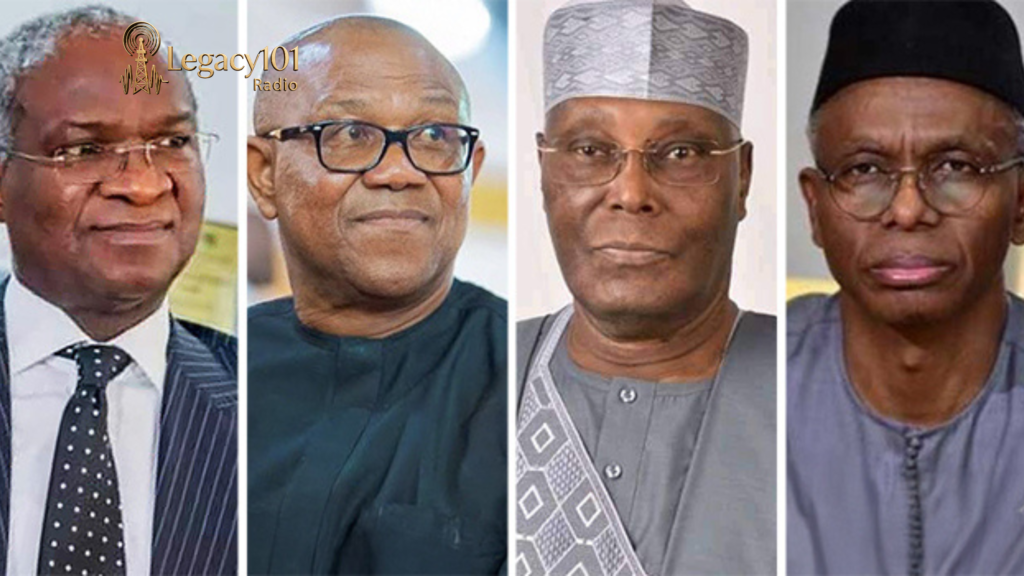
That’s where political alliances often become complicated. A coalition needs more than a shared desire to defeat the ruling party. It needs clear rules for candidate selection, power-sharing, conflict resolution, campaign coordination and perhaps most importantly, what happens after the election.
What Exactly Is the Alternative? This may be the question Nigerians should ask most. It is one thing to say:
“We will defeat the status quo.” It is another to say: “Here is what we will do differently.” How will the coalition address insecurity, jobs, inflation, power, education, healthcare, taxation and the economy?
Nigerians aren’t simply choosing between political parties. They are choosing between visions for what comes next.
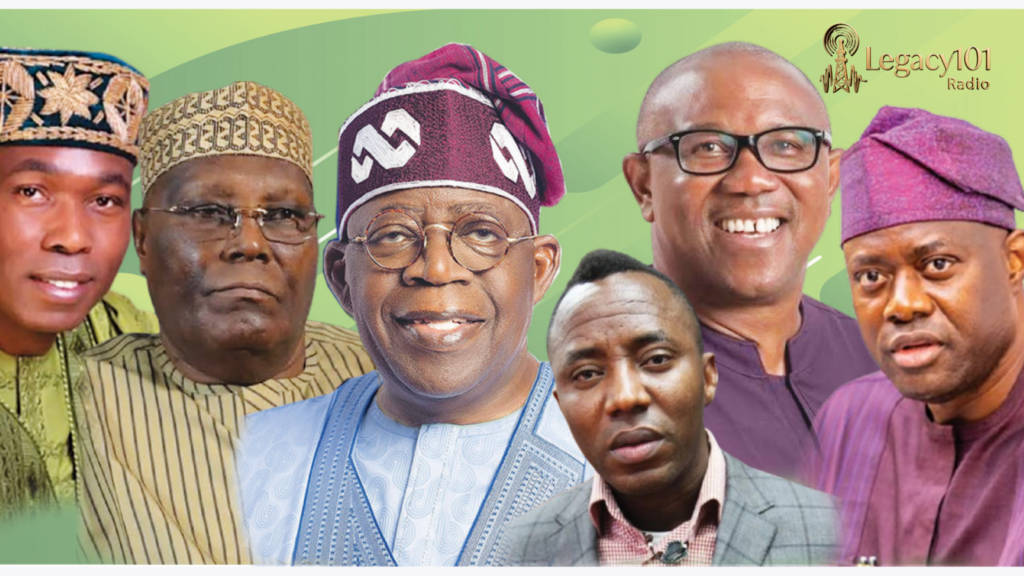
The emerging opposition coalition could address one of the opposition’s biggest challenges, which is the fragmentation; but unity on a banner is different from unity at the ballot box, and unity at the ballot box is different from unity in government.
So the real question for 2027 simply is, can the opposition agree on one candidate, one strategy and one credible vision for Nigeria? Nigerians don’t just need to know who wants to take power. They are more interested in, what will they do with it?
The coalition may be building the vehicle. Now Nigerians will be watching the driver, the destination and the roadmap.
Leave a Reply