
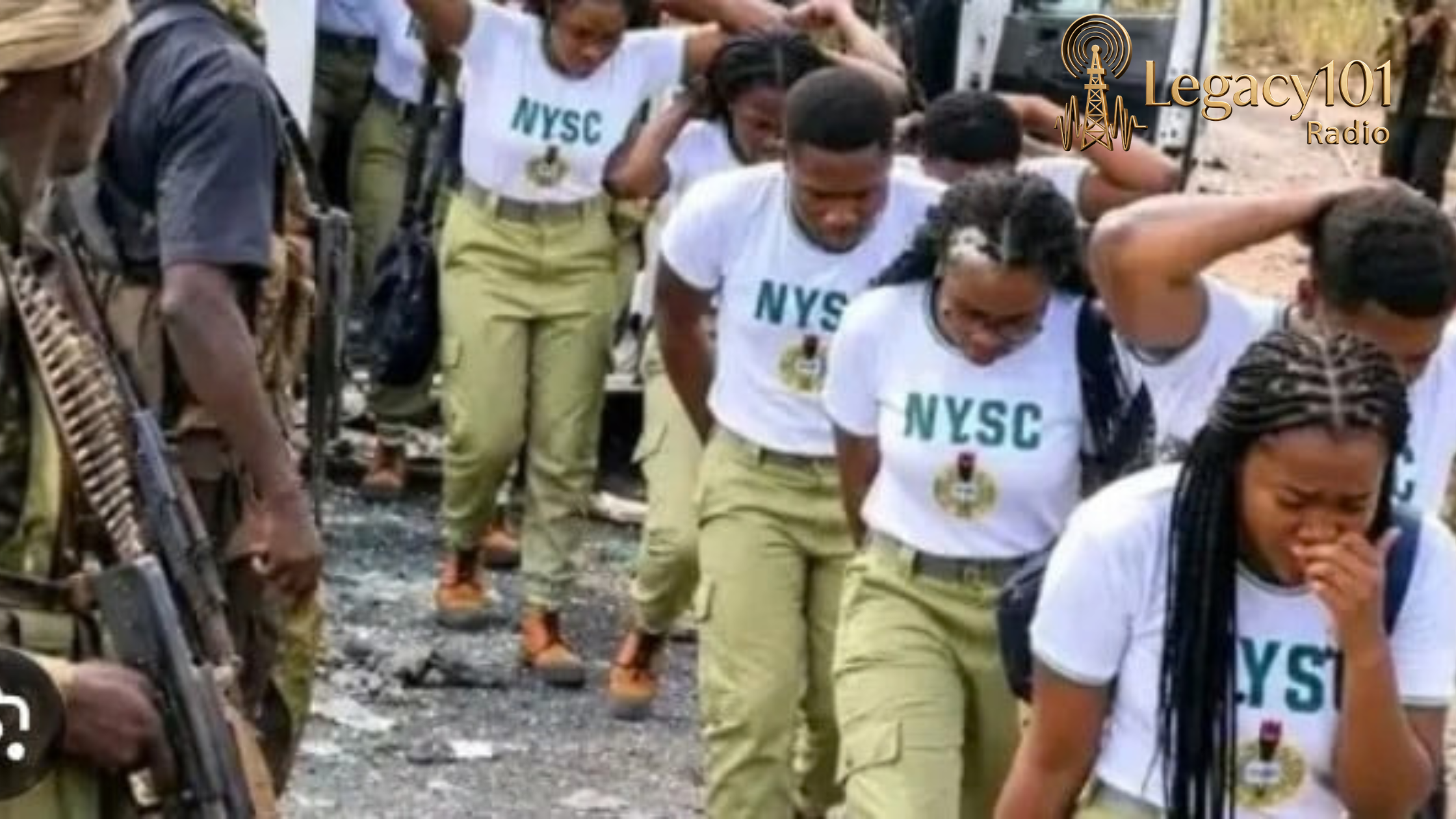
On Independence Day, 20 young Nigerians on their way to serve their country became bargaining chips.Two buses carrying prospective corps members from Ibadan to orientation camps in Abia and Akwa Ibom were attacked by gunmen on the Owerri-Onitsha Road in Imo State.
The Defence Headquarters said 20 passengers were abducted. Parents dispute the official claim that 10 others were “rescued,” saying those people escaped into the bush on their own.
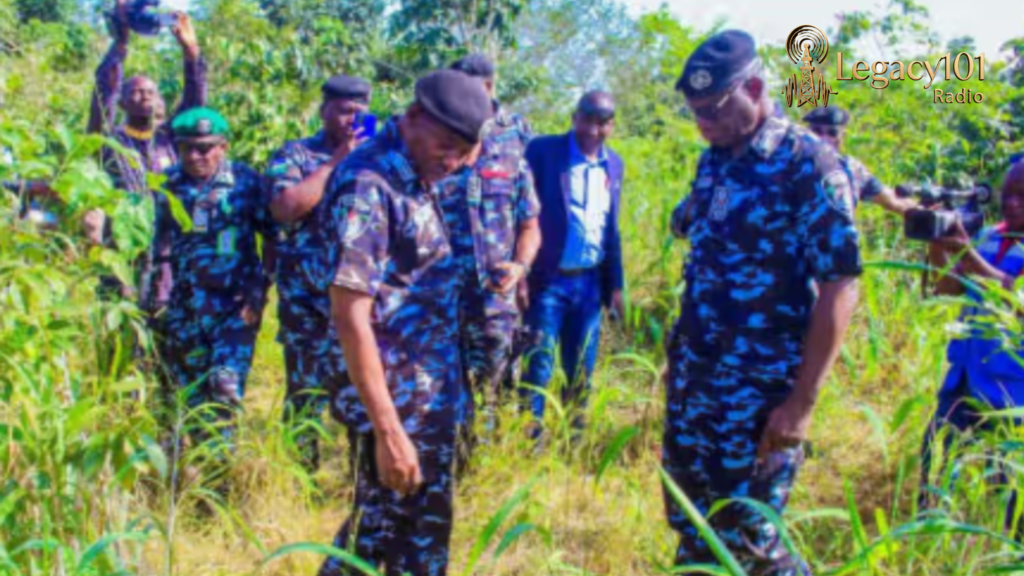
Security operatives reportedly found the location where prospective National Youth Service Corps members were being held. Drone surveillance helped identify the suspected hideout. According to the Imo State Commissioner of Police, operatives could not immediately advance because intelligence indicated that the camp had been rigged with improvised explosive devices (IEDs).
The kidnappers cut their demand from ₦50 million to ₦5 million per victim, bringing the total from ₦1 billion to ₦100 million. SBM Intelligence’s latest report found that kidnapping networks adapt their demands to the limited cash victims actually have. Families of fresh graduates cannot raise ₦1 billion, and captors know it.
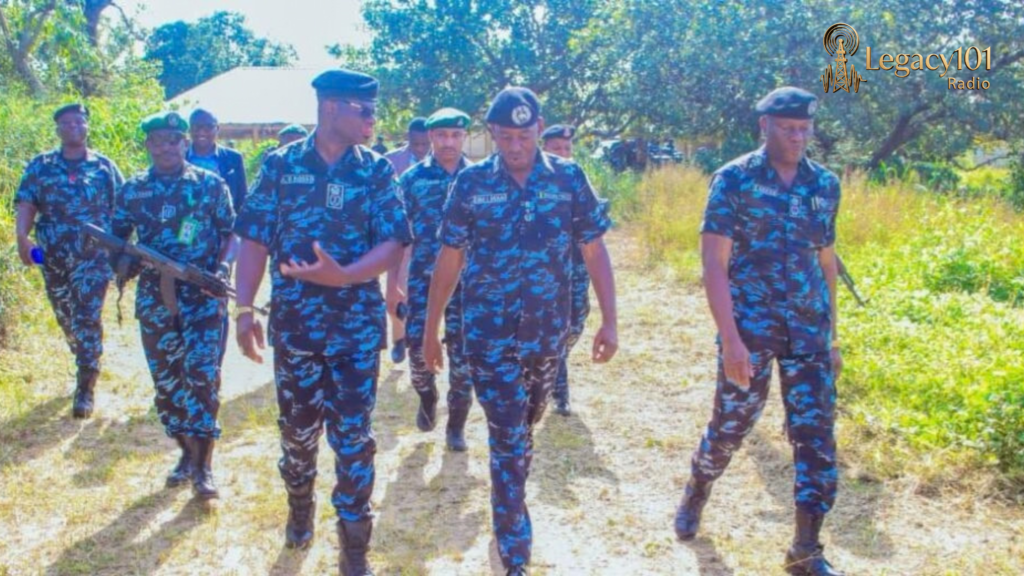
The Nigeria Police Force has an Explosive Ordnance Disposal–Chemical, Biological, Radiological and Nuclear (EOD-CBRN) Unit .In May 2025, the Police commissioned 50 specialised operational vehicles for the EOD-CBRN Unit, describing the investment as part of efforts to improve response to explosive-related threats.
November 2025, the police also reported the deployment of 325 newly trained bomb technicians following a four-week technical training programme. In February 2026, Nigeria, working with the United Nations Mine Action Service (UNMAS), completed specialised counter-IED training in the North-East. 15 police officers completed an IED-disposal course, while additional personnel received training in explosive hazard awareness, search and conventional munitions disposal.
So the problem is not simply:”Does Nigeria have trained people?”The harder question is: Are those capabilities sufficiently available, equipped, mobile and integrated to respond rapidly wherever a complex kidnapping occurs?
The numbers behind the headline SBM’s 2026 report covers July 2025 to June 2026:7,825 people were abducted, up from 4,722 the previous year, a rise of about 66%. Ransom demanded fell from ₦48 billion to ₦22.9 billion, yet ransom actually paid more than tripled, from ₦2.56 billion to ₦7.78 billion.
A rescue force walking into a rigged camp can kill the hostages it came to save. That is why delay can be the responsible choice rather than the cowardly one. It is also why public anger is aimed at capability, the demand is for specialised counter-IED and bomb disposal units that can clear approaches quickly, and for intelligence that finds camps before they are fortified.

The contrast with another recent case is worth noting. In Oyo State, security agencies rescued 44 pupils and teachers in an intelligence-led operation, and no ransom was reportedly paid. Rescue without payment is possible, but it depends on intelligence, specialised capacity and speed.
This is the second abduction of prospective corps members in about five weeks. On 26 August, 15 were taken on the Aloma-Egane Expressway in Kogi State. History also warns against assuming a quick ending. In 2023, eight prospective corps members were kidnapped in Zamfara on their way to Sokoto, and months later concern was still mounting over those left in captivity.
SBM’s data adds a puzzle, Northern states account for 93.7% of victims, against 491 across the South. Imo sits in that small southern share, yet the NYSC deployment system sends graduates across the whole country by road. The risk follows the route, not just the region.
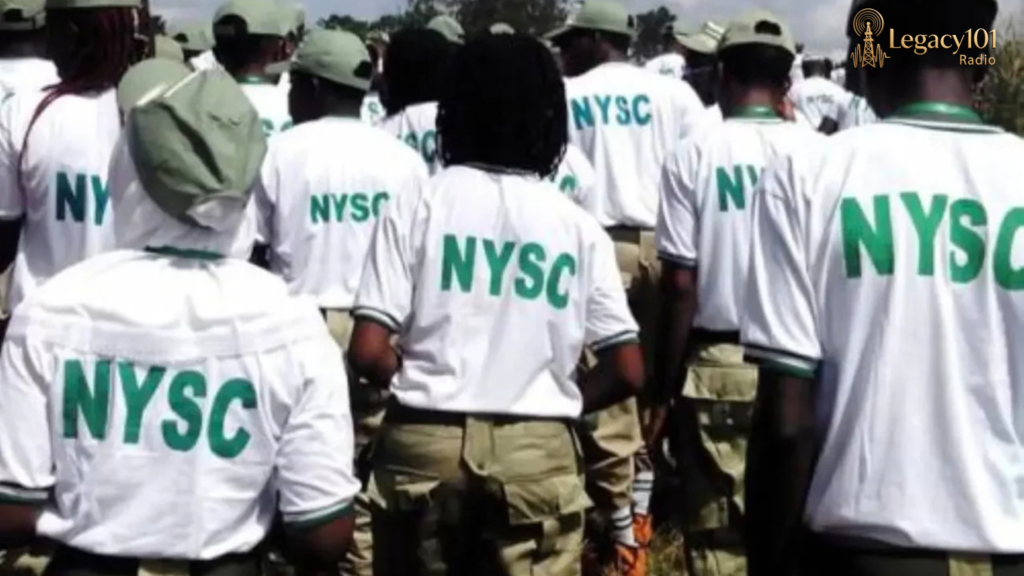
Funding and deploying C-IED capacity near known high-risk corridors, so rescue teams are not waiting on specialists. Protects the transit window, mobilisation travel is predictable and happens in large batches. Escorts, daylight-only movement and verified transport operators are low-cost fixes.
SBM recommends tracing and disrupting ransom-related financial flows and reducing the pool of recruits armed groups can draw on. Rethink orientation travel. If the scheme cannot guarantee safe passage on certain routes, alternatives such as staggered movement or secure transit points deserve a serious look.
Twenty families are waiting for a phone call. The wider question is whether a country can keep asking its brightest young people to cross dangerous roads in the name of national service without making those roads safe first. The ransom has dropped to ₦100 million. The cost of failing to answer that question is much higher.
Leave a Reply