
Petrol in Nigeria isn’t just a commodity, it’s the invisible hand behind the price of rice, transport fares, electricity and nearly everything a household buys.
So when government steps back into a deregulated fuel market to lower prices, one question matters more than any press release, who actually absorbs the cost?
On October 8, 2026, the Finance Minister Taiwo Oyedele unveiled two measures; a proposed ceiling of roughly ₦1,350 per litre on petrol supply costs, and an arrangement for NNPC to temporarily forgo its retail profit margin.
Separately, NNPC confirmed its existing ₦66-per-litre discount would run until October 31, 2026 (NNPC, Oct 9). Government insists this isn’t a return to subsidy, just temporary relief that doesn’t reverse market price.
NNPC’s discount launched October 1 as an Independence Day promotion at its retail outlets nationwide. Some investigation found customers at Abuja outlets paying ₦1,405/litre at the pump versus ₦1,339/litre via the NNPC Fuel App, meaning the discount effectively required a smartphone and digital payment and that’s a real accessibility gap.
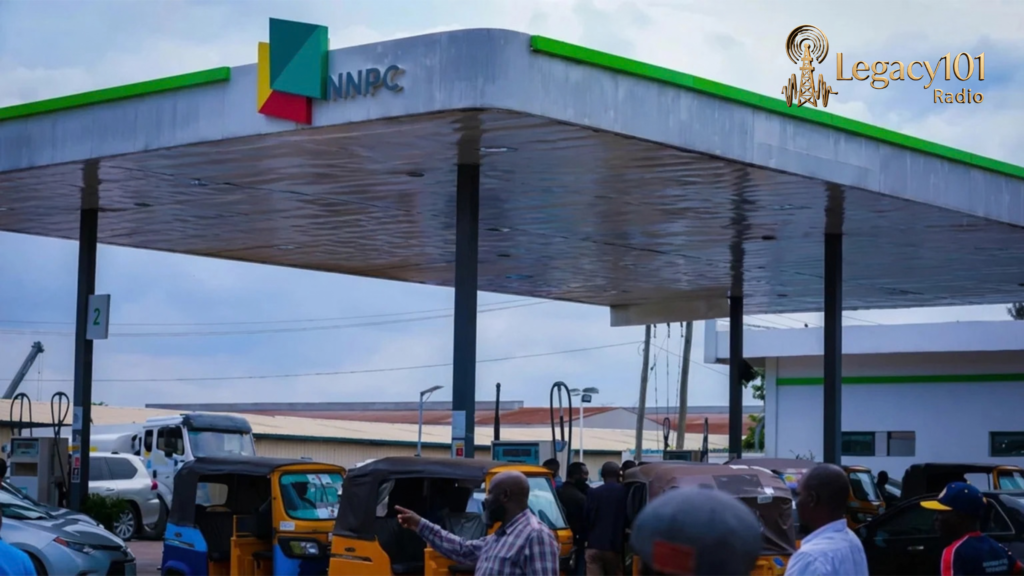
A commercial driver without a smartphone, or a motorist who can’t complete a digital transaction, may never see the advertised saving. A policy can be sound on paper and still exclude the people it’s meant to help.
The ₦1,350 figure is a cap on the ex-gantry/landing cost the price fuel leaves a refinery or import terminal at, it’s not a guaranteed pump price. Transport, distribution and retail margins still get added on top. Under the plan, refiners and importers would absorb costs above the ceiling now, with possible recovery later, a form of price smoothing, reviewed monthly.
As of October 11, the recovery formula and rules for prolonged high costs hadn’t been published. Until the terms are public, nobody can say what this really costs or who eventually pays it.
Government ensures consumers pay below supply cost, and covers the gap. Hypothetically, if supplying one litre costs ₦1,500 but it sells for ₦1,000, that ₦500 gap at 40 million litres a day would be ₦20 billion daily, or ₦7.3 trillion a year. NNPC says it’s funding the ₦66 discount from its own retail margin, not the federal budget. That’s a different mechanism, the company gives up profit rather than receiving compensation for selling at a loss.
The proposed ceiling is murkier, suppliers absorb costs now, hoping to recover later. The real question isn’t what government calls the policy. It’s who carries the gap between cost and price, NNPC’s margin, suppliers’ balance sheets, future consumers through delayed price hikes.
The Finance Minister’s account, NNPC Retail sells about 70 million litres monthly. If all of it qualified for the ₦66 cut. 70,000,000 × ₦66 = ₦4.62 billion in potential monthly revenue reduction.
Three caveats; not all sales may qualify; a drop in revenue isn’t the same as a drop in profit; and this doesn’t tell us what, if anything, the federal government itself is spending. NNPC says it’s absorbing this from margin, not subsidy funds, but reduced earnings could still affect dividends the state receives as owner.
A credible relief programme should publish both what customers saved and what it cost the institution providing it.
Every option has a cost, the real test is whether it’s transparent, bounded and honestly distributed. Trace a bag of rice, the farmer needs fuel for equipment, the transporter needs fuel to move it to market, the retailer may run a generator to keep the shop open. Energy cost touches every link.
The relationship isn’t 1:1, that is a ₦100 fuel increase doesn’t mean a proportional jump in rice prices. It depends on fuel intensity, distance, competition and how much businesses can absorb. That’s also why fares and food prices don’t snap back down the moment fuel gets cheaper, once costs rise, they tend to stick.
Does ₦66 a Litre Actually Move the Needle? For 40 litres, that is ₦2,640 saved, 100 litres that will be ₦6,600. This can be meaningful for a commercial driver fuelling daily, marginal for a household buying occasionally and stuck outside the app-based discount system.
Government and NNPC could settle the debate with real numbers: how many customers used the discount, how many litres sold at the reduced price, and what barriers ordinary motorists hit trying to access it. Without that data, “relief” remains a claim, not a fact.
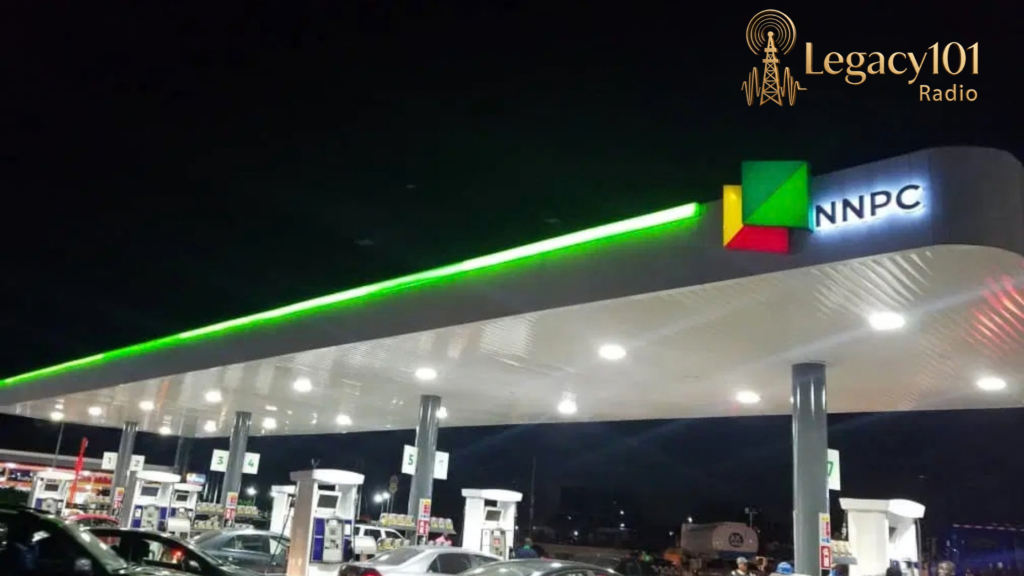
Nigeria scrapped its long-running petrol subsidy in May 2023 to ease fiscal pressure and let prices follow the market. That exposed households to real volatility, and this new intervention reopens the old question: can you keep market pricing and still protect the people market prices hurt most?
A price can accurately reflect cost and still be unaffordable. That’s why fuel policy has two separate jobs, which is keeping supply efficient, keeping households afloat, and conflating the two is where good intentions get fuzzy.
We may say that ₦66 off a litre and a ₦1,350 cost ceiling sound like relief. Whether they are relief, or just a cost deferred to a later date, a different balance sheet, or a less visible consumer, depends entirely on terms nobody has published yet. Until then, the honest answer to “who pays for cheaper fuel?” is what we don’t fully know.
Leave a Reply