
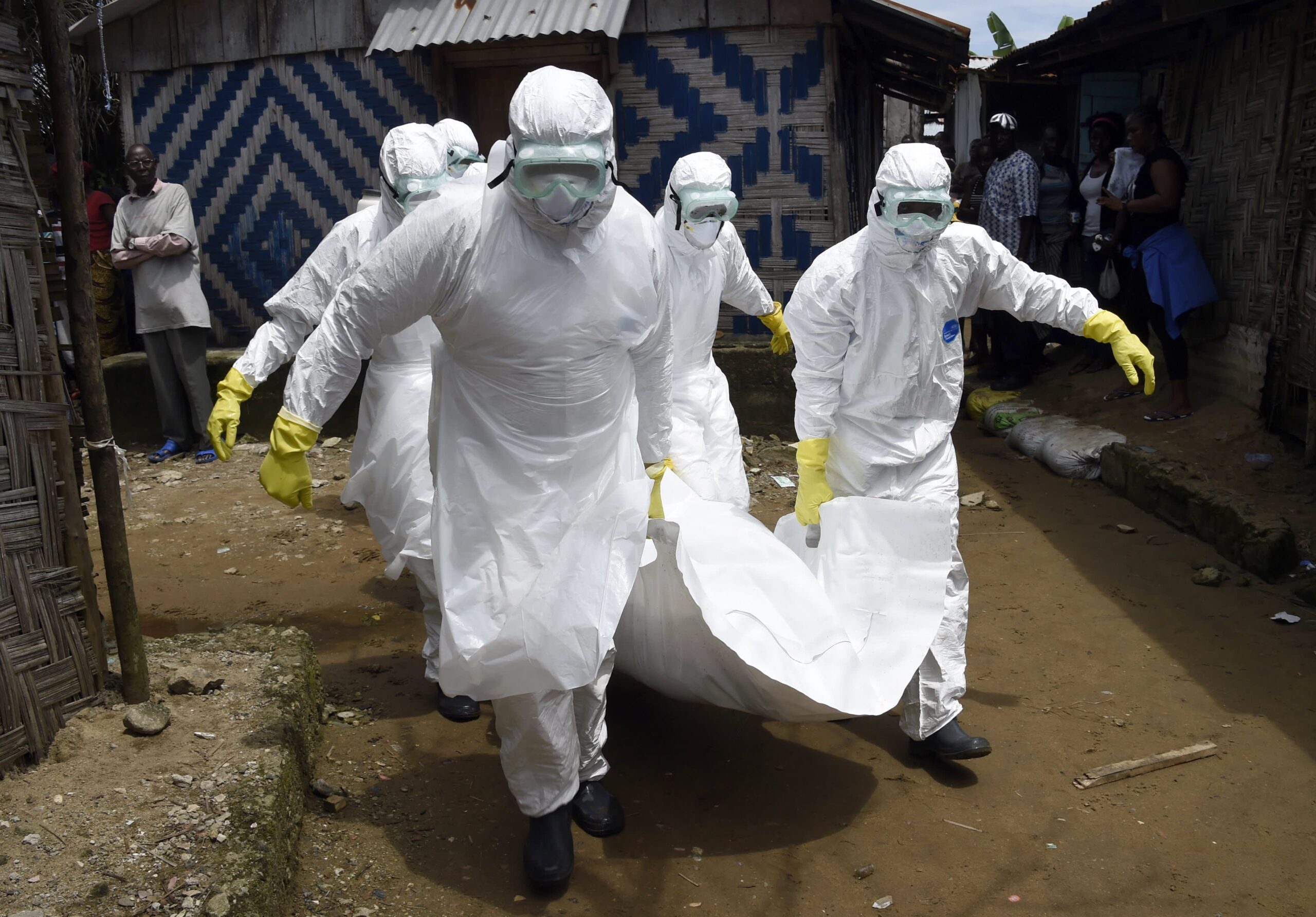
Two suspected Ebola cases in Adamawa State tested negative. What does this scare reveals about Nigeria’s disease surveillance and health worker protection.
In the early hours of 30 October, an alert reached Adamawa State’s emergency operations centre. Two people in Yola had symptoms suggestive of Ebola.
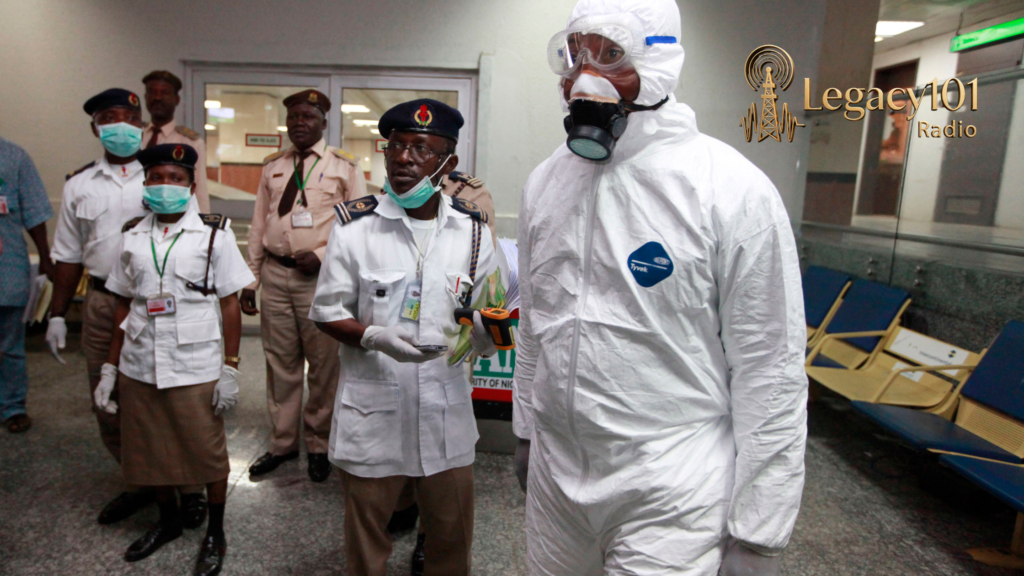
By the weekend, the NCDC confirmed both had tested negative after two rounds of laboratory testing. The relief is real, but the more useful question is why the alert system worked, and where it might not.
A Regional Outbreak, this was not a random scare. The outbreak, caused by the Bundibugyo virus, was declared in the Democratic Republic of the Congo on 15 May 2026, and by 20 October had reached 9,704 confirmed cases, including 4,687 deaths.
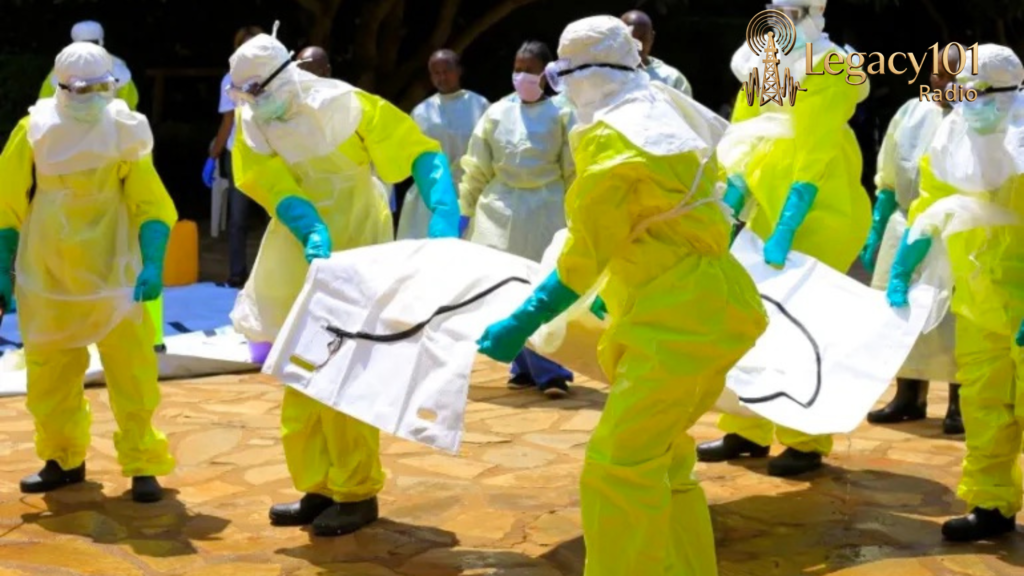
A later WHO update, reported on 2 November, put it at 10,274 confirmed cases and 4,992 deaths as of 28 October. One report notes that the disease has no licensed vaccine and no approved treatment.
Nigeria is the fifth country to detect the virus. The imported case in Abuja was a woman who had travelled from Uganda.
WHO’s timeline shows symptoms began on 7 October, she sought care at a private facility in Abuja on 11 October, and laboratory confirmation came on 20 October. Nigeria has since identified 62 contacts, expected to finish monitoring by 13 November.
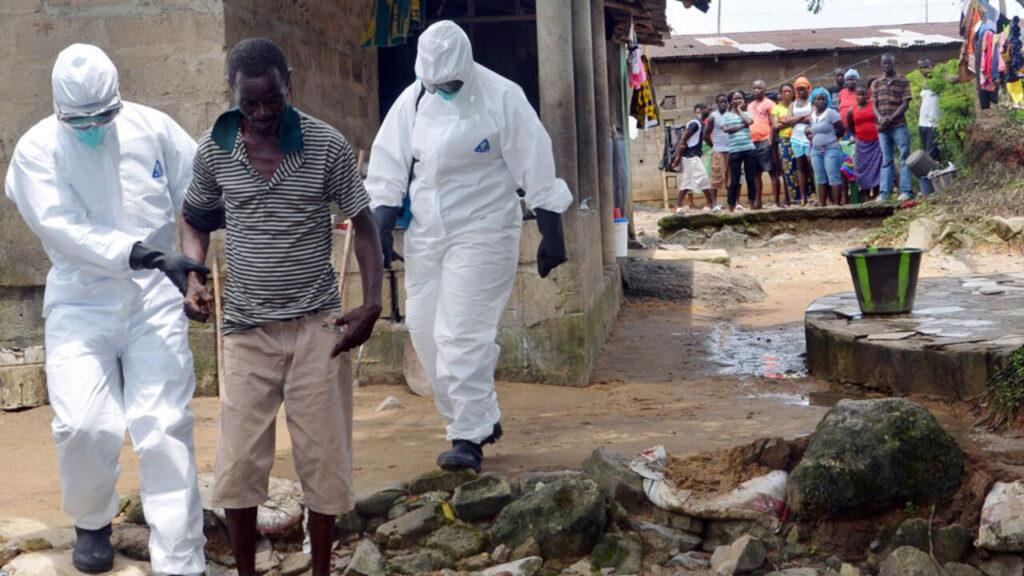
Nigeria has history on its side. In 2014, it contained an outbreak with 20 confirmed cases and 8 deaths and was declared Ebola-free, a result WHO called a “spectacular success story.”
This year, the President approved ₦10 billion in emergency funding on 9 June, and the NCDC classified every state by risk level on 28 May.
The NCDC’s reference laboratories in Abuja and Lagos are equipped to sequence the viral genome. The Health Minister said 21 states had updated their emergency response plans, while 15 had been directed to accelerate preparations. Doctors’ groups are also raising concerns.
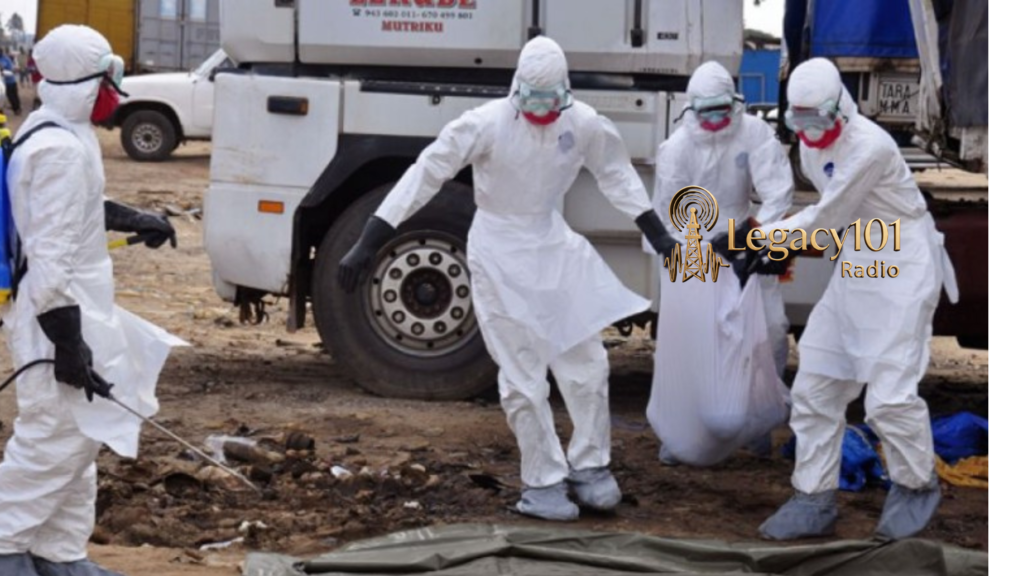
NARD told members to urgently assess hospital preparedness and ensure frontline workers have protective equipment. MDCAN called for protective materials, isolation facilities and better welfare, hazard allowances and insurance for health workers.
Regardless of the afore mentioned, some health officers are still of the opinion that preparedness remains weak in many primary healthcare facilities.
Abia’s health officials noted that isolation centres need trained personnel, adequate funding and proper treatment facilities, so they cannot be set up in every local government area.
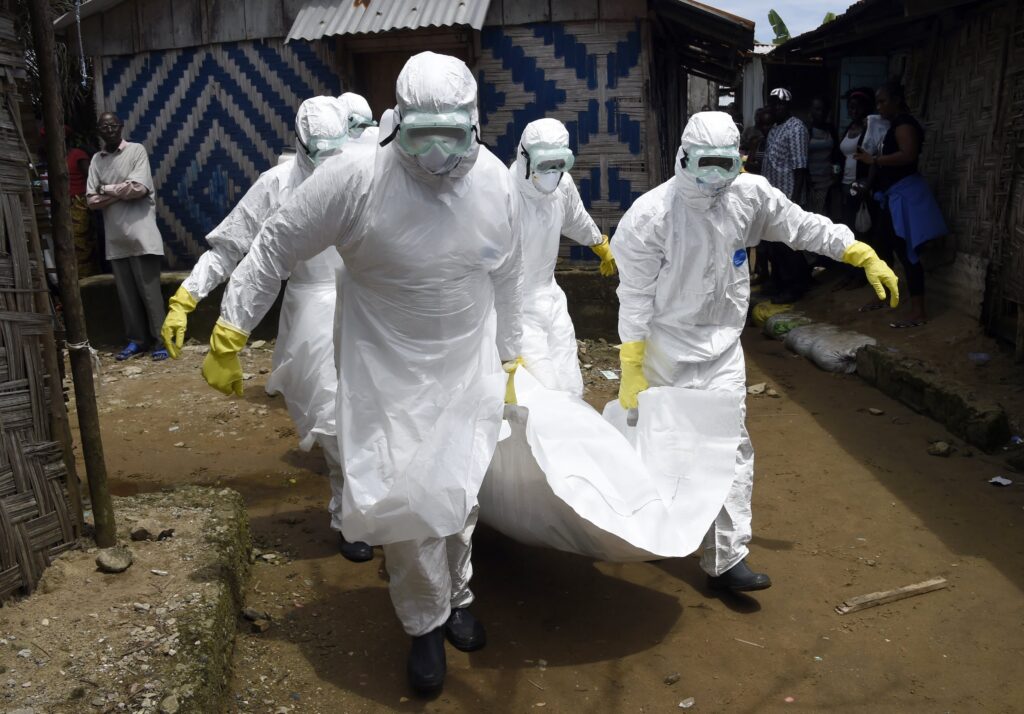
Healthcare systems detect disease only when someone reports it. NCDC advice is to seek immediate medical attention for fever, severe weakness, headache, muscle pain, vomiting, diarrhoea or unexplained bleeding, especially after possible exposure.
The NCDC also urged residents to stay calm and avoid spreading unverified information. Clear communication carries a second risk.
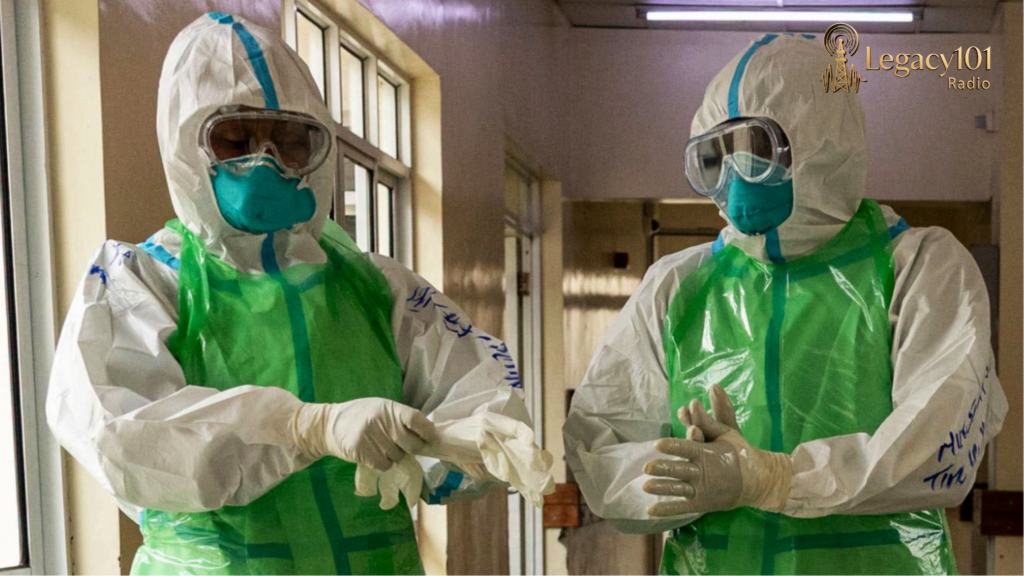
MDCAN warned of stigma against patients, families, health workers and facilities. If people fear being shunned, they may hide symptoms, and hidden symptoms are what outbreaks feed on.
Prevention is built before the alert, the Adamawa response suggests parts of the system worked: a state operations centre received a report, isolated the individuals and tested them twice. The Abuja timeline shows the pressure point, which is the days between first symptoms and confirmation.
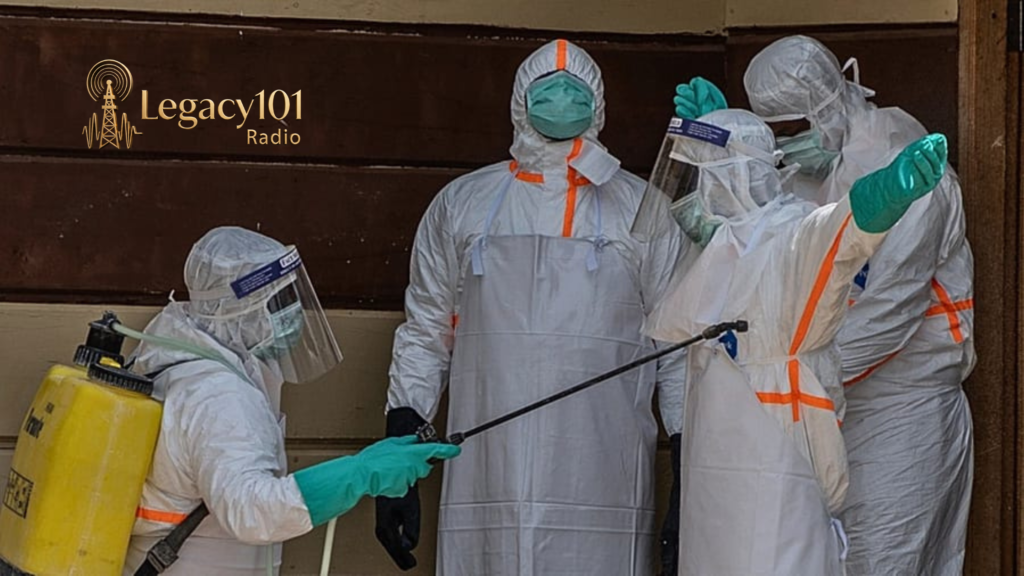
Preparedness is measured in plans that are updated, protective equipment on shelves, workers who feel safe reporting, and communities that trust the message.
Leave a Reply