
Nigeria’s new tax laws are changing compliance, know your taxpayer rights, how the Tax Ombud helps, and why accountability matters.
Imagine a trader who has sold provisions from the same market stall for twenty years. One morning, a notice arrives with a figure she doesn’t understand. She can pay what she may not owe, or close her stall and travel to argue her case.
For many Nigerians, that is what tax compliance feels like, and it is why this recent development matters. At an Abuja town hall, Tax Ombud Dr John Nwabueze said the Office of the Tax Ombud plans a partnership with NIPOST to bring complaint resolution to market traders and rural taxpayers. Discussions aim to extend its reach to every local government area, and the services are free of charge.
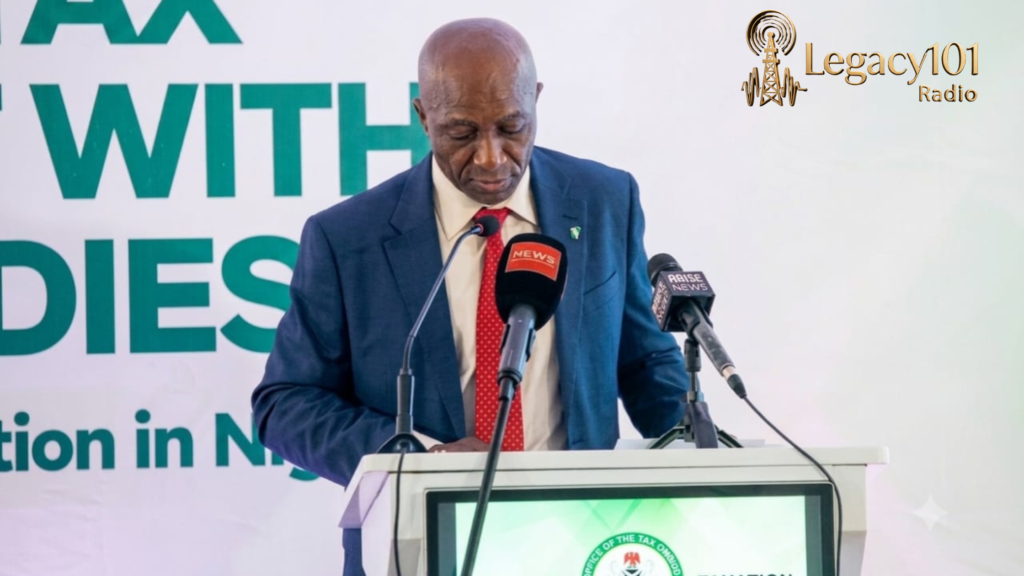
The partnership is still proposed, not finalised. The Ombud also set limits. It was not established to cancel legitimate tax liabilities simply because taxpayers are unwilling to pay.
It is an independent, non-judicial mediator for administrative grievances and does not replace the courts, the Nigeria Tax Act, Nigeria Tax Administration Act, Nigeria Revenue Service Act and Joint Revenue Board Act.
Awareness remains a gap if confusion persists over what is taxable, especially among individuals and small business owners. Experts stress that tax is not calculated on bank account balances.
The stakes are real, as a false declaration triggers a ₦1,000,000 administrative penalty plus unpaid tax, and it’s positive conviction can bring up to three years’ imprisonment or a ₦1,000,000 fine.
So, knowing your obligations is protection. When the assessment is Wrong, disputes have traditionally gone through tribunals and courts, which is most times very slow, expensive and inaccessible for most people.
The reforms strengthen the Tax Appeal Tribunal and create the Office of the Tax Ombud. A free local channel that could let a trader fix an error without abandoning her stall.
The Multiple Taxation Problem, at the same forum, transport operators raised concerns about federal, state and local revenue responsibilities overlapping, with different levies depending on activity and location. For thin-margin businesses, stacked levies can make it almost impossible to survive and thrive in businesses.
Citizens who pay will reasonably ask for working roads, clinics and safe markets in return. Compliance lasts when the social contract is visible.
The central question now is, can a country demand tax compliance without making taxpayer protection and public accountability equally important? Revenue authorities need collection powers, but citizens need clear rules, accessible redress and proof that their money works for them.
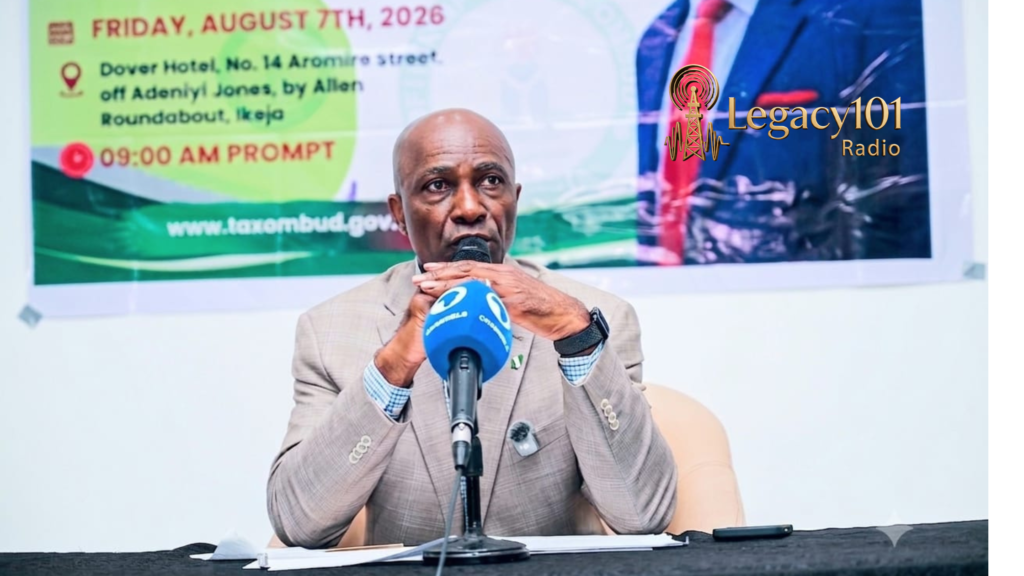
The Ombud’s grassroots push is a promising step, and its impact will depend on awareness, speed and coordination across federal, state and local authorities.
To be on a safe side of the law, first, confirm whether your business qualifies as a small company, then keep clear turnover and payment records, also request written assessments and challenge errors formally, then you can also use the free Tax Ombud service for administrative disputes if any.
Do you feel protected as a Nigerian taxpayer? Tell us below.
N.B: This post is informational, not tax advice. Consult a qualified tax professional.
Leave a Reply