

Imagine running a mega corporation with over 200 million stakeholders, spread across 923,000 square kilometers of diverse, complex terrain. Now imagine trying to manage the security of every single hallway, office, and corner of that empire from a single desk in Abuja.
Sounds impossible, right? Yet, that is exactly how Nigeria’s federal policing system operates today.
In a recent episode of the radio segment Matters of the State, a fierce debate took center stage: Is it time to break the monopoly and introduce State Police? While the arguments are passionate, the real story reveals itself when we look at the data, the geography, and the financial cost.
Let’s unpack the three major plotlines of this security saga.
The Geography Gap (Why Local Insight is Data)
The primary argument for state policing isn’t just about adding more boots on the ground; it’s about localized data distribution.
Centralized Command in Abuja ── Massive Delay ──> Local Community Crisis
vs.
Local Officers (e.g., “Just If”) ── Instant Action ──> Targeted Resolution
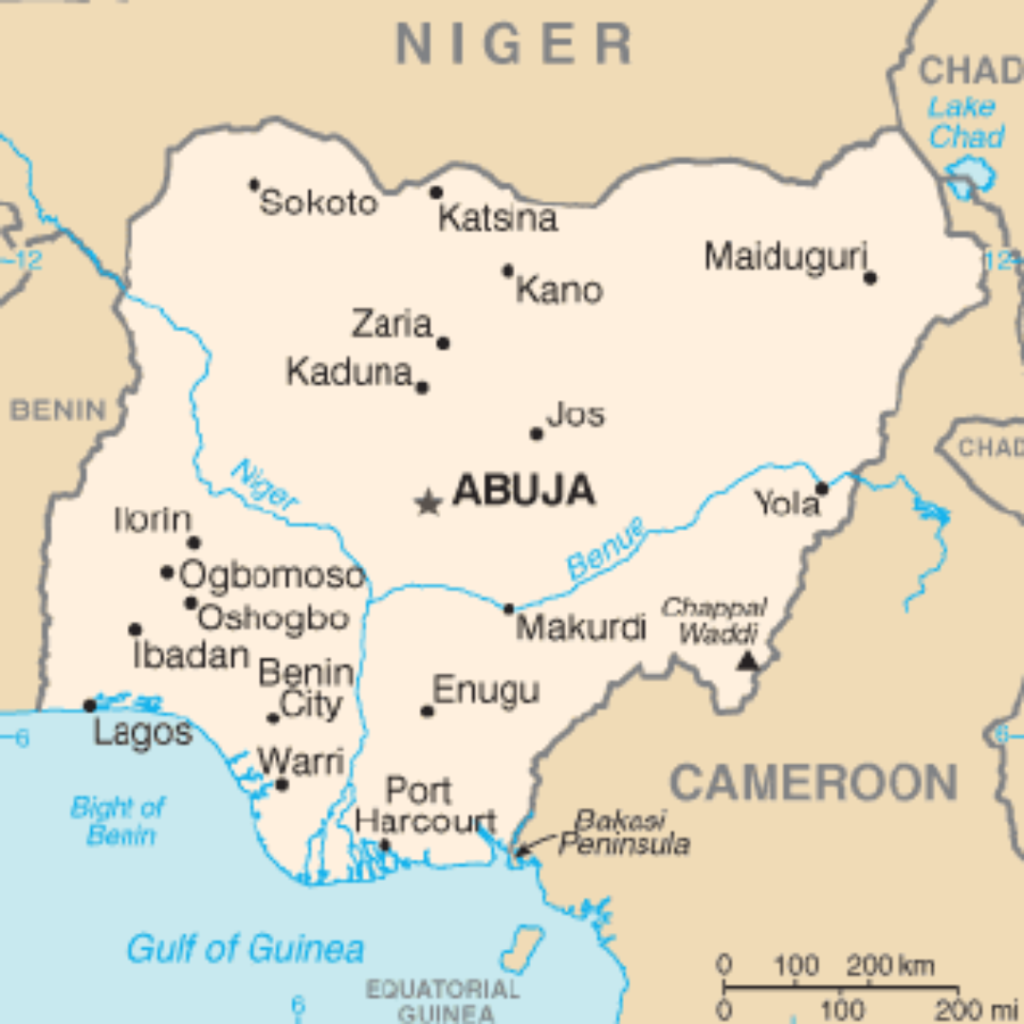
Proponents argue that an officer from a specific local government area holds an invisible database in their head. They know the terrain, understand the local dialect, and can read the social cues of the community. In data terms, a centralized force suffers from “latency”, delayed response times while waiting for orders to trickle down from federal headquarters. Localized policing keeps the data, the processing power, and the response right at the edge where the crisis happens.
The Economic Divide (The Haves vs. The Have-Nots)
If we map out Nigeria’s states by internally generated revenue (IGR), a massive roadblock appears. This isn’t just a political debate; it’s a balance sheet problem.
| State Category | Financial Capacity | Operational Reality |
| High-IGR States (e.g., Lagos) | Robust financial cushions. | Can seamlessly transition, fund infrastructure, and pay competitive hazards. |
| Low-IGR States | Reliant heavily on federal allocations. | Will struggle to buy patrol vehicles, maintain forensics, or ensure consistent payroll. |
The risk? We could accidentally create a two-tiered security system where safety becomes a luxury commodity dependent on a state’s GDP.
The Power Dynamic (The Chief Security Officer Paradox)
Right now, Nigeria’s State Governors carry a grand title: Chief Security Officer of the State. But under the current centralized architecture, it’s a title without a remote control. If a crisis hits a state, the local Police Commissioner ultimately answers to the Inspector General in Abuja, not the Governor on the ground.
While empowering governors fixes this administrative bottleneck, the opposing data point is troubling: The Weaponization Risk. Critics heavily fear that without strict firewalls, state police forces will simply become private security wings for sitting politicians to suppress opposition and control local elections.

The consensus from Matters of the State is clear: Centralized policing is struggling under its own weight, but a reckless rush to decentralize could spark new wildfires.
The solution lies in creating a strict regulatory framework, much like the separation between the FBI and local police departments in the US. If Nigeria is to transition to state policing, it must build institutional firewalls that grant forces financial autonomy and protect them from political manipulation.
Safety shouldn’t depend on how far you are from Abuja, nor should it depend on who you voted for in your state capital.
What’s your take? Should Nigeria take the leap into state-level policing despite the financial risks, or do we need to fix the federal machine first? Let’s talk in the comments below!
Leave a Reply